Introduction: What NordVPN and CyberGhost Do (My Real Hands-On Experience)
As a full-time WordPress blogger who researches global content and frequently connects to public Wi-Fi while traveling, I spent two weeks testing NordVPN and CyberGhost side by side. I installed both VPNs on my laptop and smartphone, testing connection stability, server speeds, privacy features and cross-region access during my daily blogging workflow. All views in this article are from my personal hands-on testing, not affiliate marketing ads or generic online summaries. My goal was to figure out which VPN offers better privacy protection, faster speeds and greater practical value for bloggers in 2026.
NordVPN and CyberGhost are two top-rated commercial VPN services widely used by bloggers, remote workers and privacy-focused internet users. Both services create an encrypted tunnel for your internet traffic, hide your real IP address, shield your browsing data from ISPs and trackers, and allow you to connect to remote servers across the globe. NordVPN is famous for its advanced security suite and stable high-speed servers. CyberGhost focuses on user-friendly operations and pre-configured optimized servers for streaming and browsing. During my two-week test, I compared connection speed, privacy tools, usability, free and paid plans, and real-life performance for content creation.

Key Advantages I Found in Actual Use
NordVPN impressed me most with its strong security features and reliable performance. It uses AES-256 encryption, and the exclusive NordLynx protocol delivered surprisingly fast speeds during my tests. I rarely experienced big speed drops after connecting to distant servers. Its specialty servers, including Double VPN and Onion over VPN, are perfect when I need extra privacy for sensitive blog research. The kill switch function works consistently; it instantly cuts off internet access if the VPN connection drops, preventing IP leaks. The app interface is clean, and it supports Windows, Mac, iOS, Android and browser extensions. For bloggers handling sensitive research data, NordVPN’s security system feels very trustworthy.
CyberGhost’s biggest advantage is its beginner-friendly design and large global server network. It has over 9000 servers worldwide, and many servers are pre-labeled for streaming, downloading or private browsing. I loved this feature because I could pick an optimized server with just one click without manual testing. The setup process is extremely simple, even for people who are new to VPNs. The automatic kill switch is enabled by default. During my testing, CyberGhost maintained stable connections on public cafe Wi-Fi when I edited blog posts remotely. It also offers dedicated IP add-ons for bloggers who need a fixed IP address for site management.

Real Disadvantages for Bloggers
NordVPN’s main downside is its relatively high regular renewal price after the promotional period ends. While long-term subscription discounts are attractive, renewing at the standard rate can be costly for bloggers on a tight budget. Some advanced privacy features like dedicated IP require extra payment. I also noticed that its mobile app has fewer customization options compared to the desktop version.
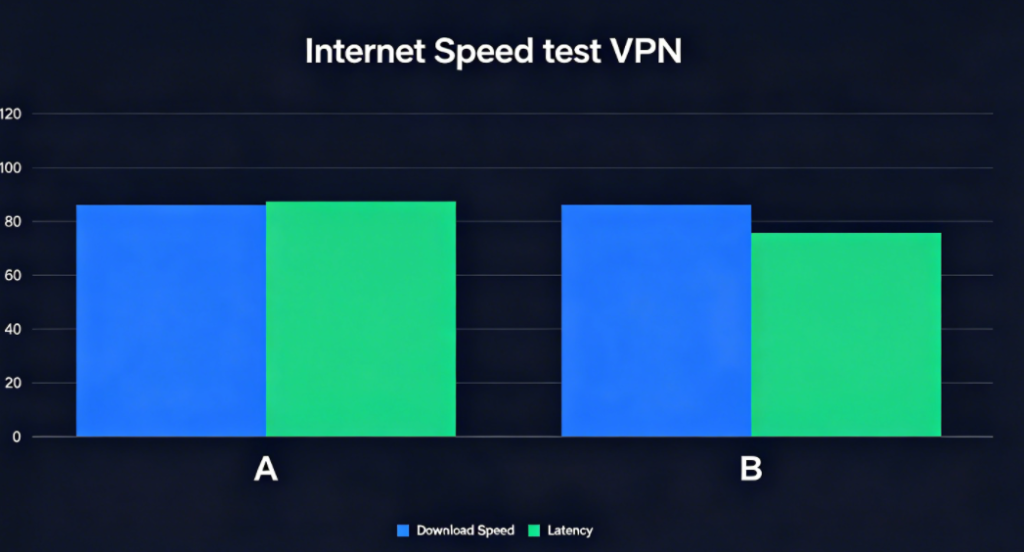
CyberGhost’s obvious weakness is inconsistent speed on long-distance international servers. When I connected to servers in faraway regions, I saw noticeable latency and buffering occasionally. Its desktop app has more pop-up upgrade prompts, which distracted me a little during writing work. Also, CyberGhost’s independent security audit reports are less frequent than NordVPN, which matters for bloggers who prioritize verified privacy.
Free vs Paid Plan Comparison (2026 Actual Pricing)
NordVPN Free Features: NordVPN does not offer a permanent free VPN plan. It provides a 30-day money-back guarantee, so you can fully test all premium features and request a refund if unsatisfied. It includes free threat protection and DNS leak protection inside the premium package.
NordVPN Paid Version: The 2-year plan starts at around $3.99 per month. It unlocks all security tools, 6 simultaneous device connections, thousands of global servers, kill switch, NordLynx protocol and malware blocking. It is suitable for users wanting top-tier privacy and stable speed.
CyberGhost Free Features: CyberGhost has no lifetime free VPN either. It offers a 45-day refund window, longer than NordVPN, allowing more time for full testing. Basic DNS leak protection comes included with all paid tiers.
CyberGhost Paid Version: The 2-year subscription costs roughly $2.29 monthly. It supports up to 7 connected devices at the same time, huge global server pool, pre-optimized streaming servers and automatic Wi-Fi protection. It delivers great value for bloggers with multiple devices.
Who Should Use NordVPN or CyberGhost?
Based on my two-week hands-on test, NordVPN is best for bloggers who prioritize maximum online security and stable international speeds. If you conduct sensitive niche research, value verified privacy audits, and often connect to faraway servers, NordVPN is the more reliable option. It fits bloggers who are willing to pay a bit extra for rock-solid privacy and consistent performance.
CyberGhost is ideal for new bloggers and users with many devices. If you want simple one-click operation, more simultaneous device connections, and a lower long-term subscription price, CyberGhost is a great pick. It works well for casual global content research and daily public Wi-Fi protection.
Final Summary
After real-world testing, NordVPN and CyberGhost are both trusted premium VPN choices for bloggers, but they target different needs. NordVPN wins with robust security, stable long-distance speeds and professional privacy tools for high-security scenarios. CyberGhost stands out with its easy setup, large server network, multi-device support and lower subscription cost. Many bloggers combine them: use NordVPN for confidential research work, and CyberGhost for daily browsing and multi-device protection.
